
Updated for 2026 — This article has been reviewed and updated with the latest recommendations.
Best Dog Food For Husky Review
If you own a husky, you should know how friendly and mischievous they can be; they are very playful and, other times, incredibly naughty, and some even escape their owners. They are a unique dog breed, so knowing the food they eat might seem a bit tricky.
You might think they need a lot of food because they are usually used in the wild to drag sleds in cold temperatures, but they are good at saving energy while having less food because they were built to survive in the wild where food is scarce. However, this doesn’t mean you should starve your husky at home. Like all dogs, huskies need the right balance of nutrients in their food in order to grow in the best possible condition.
Huskies are quite popular, mostly because of their full and fluffy coat and vibrant, colorful eyes. However, huskies have specific dietary requirements, and as an owner, you need to know these things. When it concerns nutrients, huskies need organic and human-grade high-quality dog food. You can’t simply feed them leftovers and hope it contains all the energy and protein they need to grow healthy and strong.
Finding the right food for your husky largely depends on if you’ll be feeding a puppy or an adult husky and if you want a dog food that’s grain-free or one that’s made with grain, or if it should be raw dry kibble, or wet dog food. You may also be confused about the number of calories they need and the best type of diet for your husky. We have provided you with a list of the best dog food for huskies to try out and choose from and a buying guide that provides you with all the information you need to know about feeding a husky.
NUTRITION AND DIET OF HUSKIES
Huskies have a normal weight range of 35 to 60 pounds; the females are generally smaller than their male counterparts. From the weight alone, you can tell that huskies are a large dog breed, and they need a lot of protein to grow.
A husky that weighs about 50 pounds requires a total of 1,358 calories. This is an everyday need of a husky; if you have a more active husky, he’ll need more calories. Other important factors for how many calories your dog needs include age, metabolism, and weight.
If you have a nurtured husky, he would need fewer calories. Ensure you take this into thought when choosing a particular dog food for your husky.
NUTRIENTS NEEDED BY HUSKIES
Due to the unique lineage of huskies, they have a difference in their diet compared to other dog breeds. Their ancestors survived in sub-zero temperatures while feeding once a day, which impacted their diet. They need certain amounts of nutrients at certain times. Huskies tend to need a lot of protein and fat to fuel their active lifestyle, and they also need high-quality sources of fruits, vegetables, and meat. Below are some factors you need to note when purchasing dog food for your husky.
Meat Protein
The majority of dog food only contains one meat protein and your husky needs dog food that contains at least two to three meat proteins. One meat protein might be okay for regular dogs, but it won't be sufficient for a husky. A full-grown husky needs at least 5% fat and 18% protein in their dog food; for puppies, it increases to 8% fat and 22% protein content. You need to opt for dog food with real meat as its first and major ingredient. You can opt for whole meat such as fish, lamb, beef, and chicken.
It could also check for meat meals from the ingredients and ensure that they are labeled. Do not purchase dog food with unknown meat meals.
Healthy Fats
Protein is needed for the proper development of your dog. However, if you want to keep them active and ensure that they have enough energy to stay active throughout the day, they need healthy fats. You could scan through the ingredients and check for flaxseed, chicken fat, or canola oil. They are healthy sources of fats, and they also provide extra health benefits.
Omega 3s
Omega 3 is an essential fatty acid that helps to maintain the coat and skin of your dog. Huskies have a lovely coat, so it is important that you take proper care of it. To see better results, your dog's diet will have to include Omega 3 fatty acids. Check for dog foods that can provide Omega 3, but not every dog food contains them, so you must be careful while checking.
Carbohydrates
Even though husky diets are majorly focused on protein, they also need carbohydrates to help them regulate their blood sugar levels. However, your dog’s food should be low in carbohydrates and opt for a low-glycemic form of carbohydrate such as sweet potatoes.
There are many dog food that contains sweet potatoes, but don’t get scared as dogs love them and are an excellent carbohydrate source.
DHA
DHA is also a form of an Omega 3 fatty acid, and it is needed for the development of the eye and brain in husky puppies. It is incredibly important, most especially during the huskies' first few months.
During the first few months, their eyes and brain start to develop, so the puppies require enough DHA for the stability of their mental health.
Zinc
Some huskies tend to develop a hereditary condition known as dermatitis, which is when the skin becomes swollen and red due to the absence of zinc in their blood. If your husky suffers from this condition, they might need a zinc supplement to help control the condition.
Probiotics
Like we mentioned earlier, huskies need a lot of nutrients to go about their daily activity, but the nutrients are only helpful if they are fully absorbed into the huskies system. Because they eat in small quantities, it is important that they are provided with probiotics with every meal so that the food they eat can be broken down and digested properly by their stomach.
Calcium and Phosphorus
Huskies may not be as large as other dog breeds, but they still need strong bones to ensure that they maintain optimum mobility. This is vital in husky puppies because this is when their skeletal system is developing. When they become adults, they would only need small amounts of minerals to maintain their healthy bones.
High-Calorie Foods
As a husky owner, the one thing you should know is that huskies tend to skip meals; even if you fill their plate with food, they would still avoid eating it sometimes. Because of this reason, you have to feed them with dog food rich in nutrients and calories.
Because they tend to skip meals, you need to ensure that every meal they are provided with has enough nutrients and calories to sustain them.
Vitamin E
Vitamin E is known as a powerful antioxidant, and including this vitamin in your huskies' diet will help promote the growth of their fur and maintain it. We all know that one of the most distinguishing features of a husky is its coat.
Gluten or Lactose Intolerant
There are huskies that are either gluten or lactose intolerant; for this reason, it is vital that you avoid foods with milk, wheat, skim milk powder, and whey.
HOW MUCH DO I FEED MY HUSKY?
Determining the right amount of food to feed your husky might seem like a difficult task because the nature of these dogs is that they do not require a lot of food. The basic food requirement of a husky is about 1.5 to 2.5 cups of food distributed between 2 to 3 meals over the course of a day. However, if you want an accurate daily intake for your husky, then you would have to speak to your veterinarian.
There are some things you need to know about the feeding behavior of huskies, and they are mostly unique to the breed. Other breeds may be willing to eat anything that you give them and almost eat any amount of food, but huskies tend to display the following.
- If they aren’t as active as they usually are, they will eat less.
- If they are full and satisfied, they won’t eat.
- If they exercise regularly, they will eat more.
- Make sure that the dog food you opt for contains high-quality ingredients from natural sources like real vegetables, protein, and omega fats. The higher the quality of the ingredient, the better the health of your husky would be.
- Ensure that your dog’s food is calorie-dense. Make sure you pick options with lots of high-quality proteins, fats, and carbs. The omega fats are vital in the maintenance of your dog's skin and coat, while the proteins and carbs provide your husky with muscle nourishment and energy.
- It is best that you avoid going for options that contain either grains or dairy ingredients. Huskies, in general, are gluten and lactose intolerant and have issues digesting these foods. Try your best to make sure that your dog’s food is free of both ingredients.
- They get easily bored if they are fed the same food repeatedly.
- They are picky eaters.
- If they have a negative experience with a particular food, they may never eat that food again.
- Ensure there is a base food that offers all the exceptional fats, proteins, and micronutrients.
- Make sure there is a variety of food additions to enhance the flavor of the food and Taste of the dog food base.
01The Best Dog Food For Huskies Are Reviewed Below
Below is a comprehensive list of the best dog food for huskies available on the market. This information will help you choose the best suitable dog food for your husky.
#1
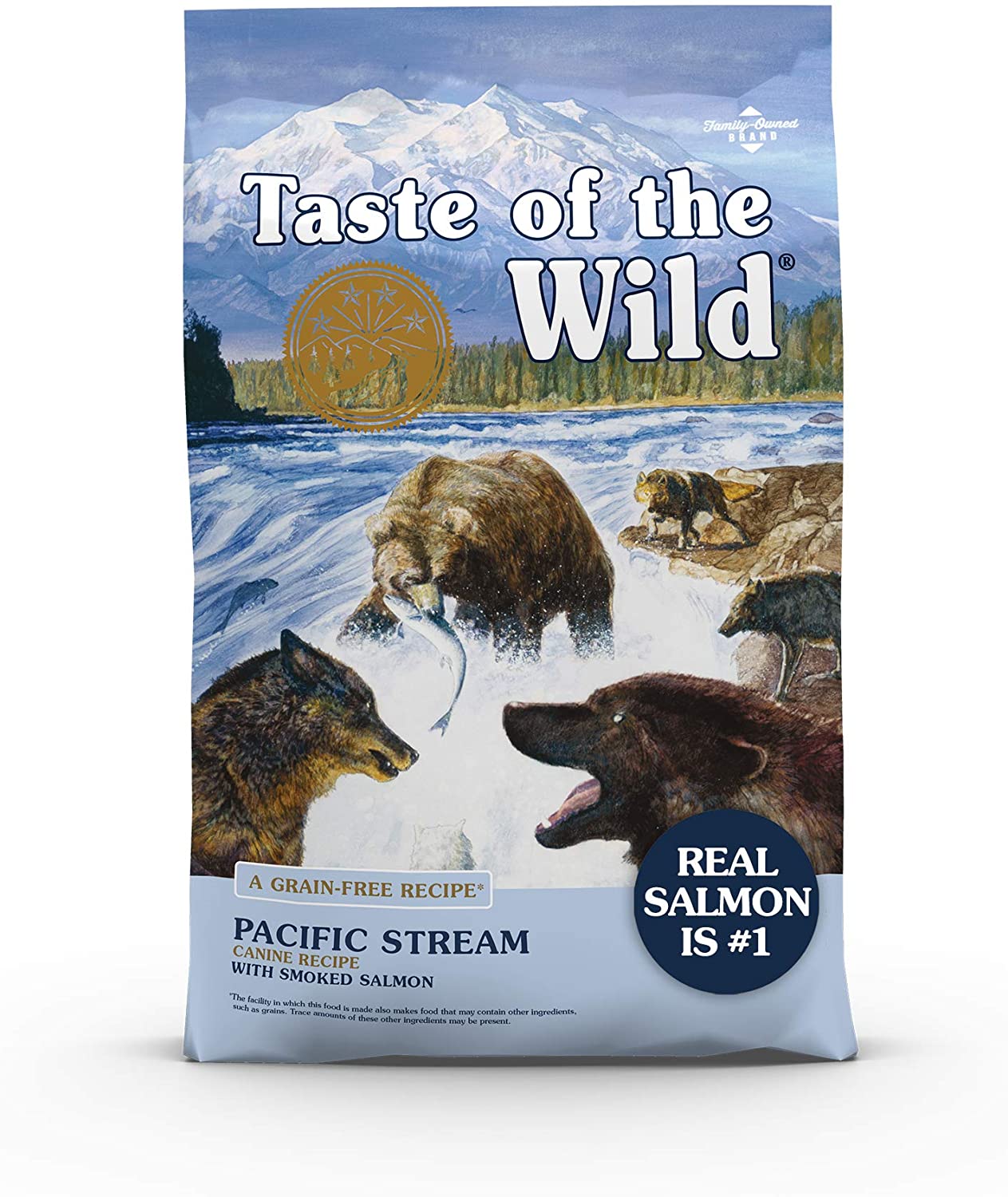
Taste of the Wild Dry Dog Food With Smoked Salmon
Check Latest PriceTaste of the Wild dog food is a well-known brand thanks to its tasty and healthy dog meals; it also contains many minerals and nutrients that your dog would need. The one factor that makes the Taste of the Wild dog food different from other dog food is its use of high-quality proteins. For instance, its Pacific Stream Canine Formula uses salmon caught in the wild.
However, it has a higher Omega 6 than Omega 3 at a ratio of 8:1. If you compare this to the standard 4:1 ratio, you would understand why er felt a bit apprehensive at the beginning, but we think they made up for the ratio by incorporating three probiotic strains that help to improve the functioning of the immune system. They also added in E and other multiple antioxidants to help negate the high proportions of the omega 6 fatty acids.
If your husky enjoys eating fish, then they would love this food. It contains a lot of antioxidants, digestive enzymes, pre, and probiotics. It will help your husky stay strong and healthy, thanks to all the nutrients and vitamins it contains.
It also helps to keep your dog's coat shiny because one of the main ingredients is salmon which contains omega 3 fatty acids for improved skin and coat health. It is also affordable, so you won't have to spend all your money to provide your husky with the best dog food.
Key Features:
- A cup contains 360 kcal
- A maximum fiber and moisture content of 3% and 10%
- Enriched with vitamin E, zinc, and selenium
- 8:1 ratio omega 6 to omega 3 fatty acids
- Minimum protein and fat content of 25% and 15%
- The first two main ingredients are salmon and ocean fish meal
- Fortified with 80 million CFUs of three probiotic strains for every pound of dog food
- It contains fruits and vegetables
Specification:
- Brand: Taste of the Wild
- Model: TWDT1576 (9565)
- Weight: 28 Pound
- Dimensions: 5 * 17 * 23 inches
Pros
- It helps to support joints, bones, and strong, lean muscles
- It provides your husky with energy to grow and thrive
- The omega 3 fatty acids improve the health of your huskies skin and coat
- The probiotics help to improve and support the immune system
- It is made without any artificial colors, wheat, grain, artificial flavors, and corn
Cons
- It has a higher omega 6 fatty acid content than omega 3
#2
ORIJEN Dry Dog Food
Check Latest PriceThe Orijen Original contains a high percent of minimum protein but has a lesser proportion of fat at about 18% minimum compared to the Orijen Adult, which contains 35% minimum. However, compared to other dog food, the 18% minimum fat is still formidable.
One of the features we like about the Original is that its first 15 ingredients are animal sources of fats and protein. Another feature that it has is that it comes in the best suitable ratio for the most important fatty acids: omega 3 and omega 6 at a ratio of 1:4.
Key Features:
- It contains a minimum of 18% fat and 38% protein
- It has an ideal ratio of 1:4 omega 6 to omega 3 fatty acid
- It contains a maximum of 12% moisture and 4% fiber
- Fortified with iodine, choline, copper, and selenium
- Its first 15 ingredients are sources of animal protein such as turkey, chicken, Atlantic herring, flounder, and Atlantic mackerel
- Enriched with DHA, EPA, glucosamine, and chondroitin
- It contains 14 essential amino acids
- An 8-ounce cup contains 449 kcal
Specification:
- Brand: Orijen
- Model: DOR4410-4.5 (F1B100131K02000)
- Weight: 4.4 Pounds
- Dimensions: 14.3 * 9.2 * 4.5 inches
Pros
- It provides your husky with a rich diet of varied whole animal ingredients that include turkey, chicken, and cage-free eggs
- It contains nutrients and minerals that your husky needs to grow properly
- It has an ideal omega 6 to omega 3 ratio
Cons
- None
#3
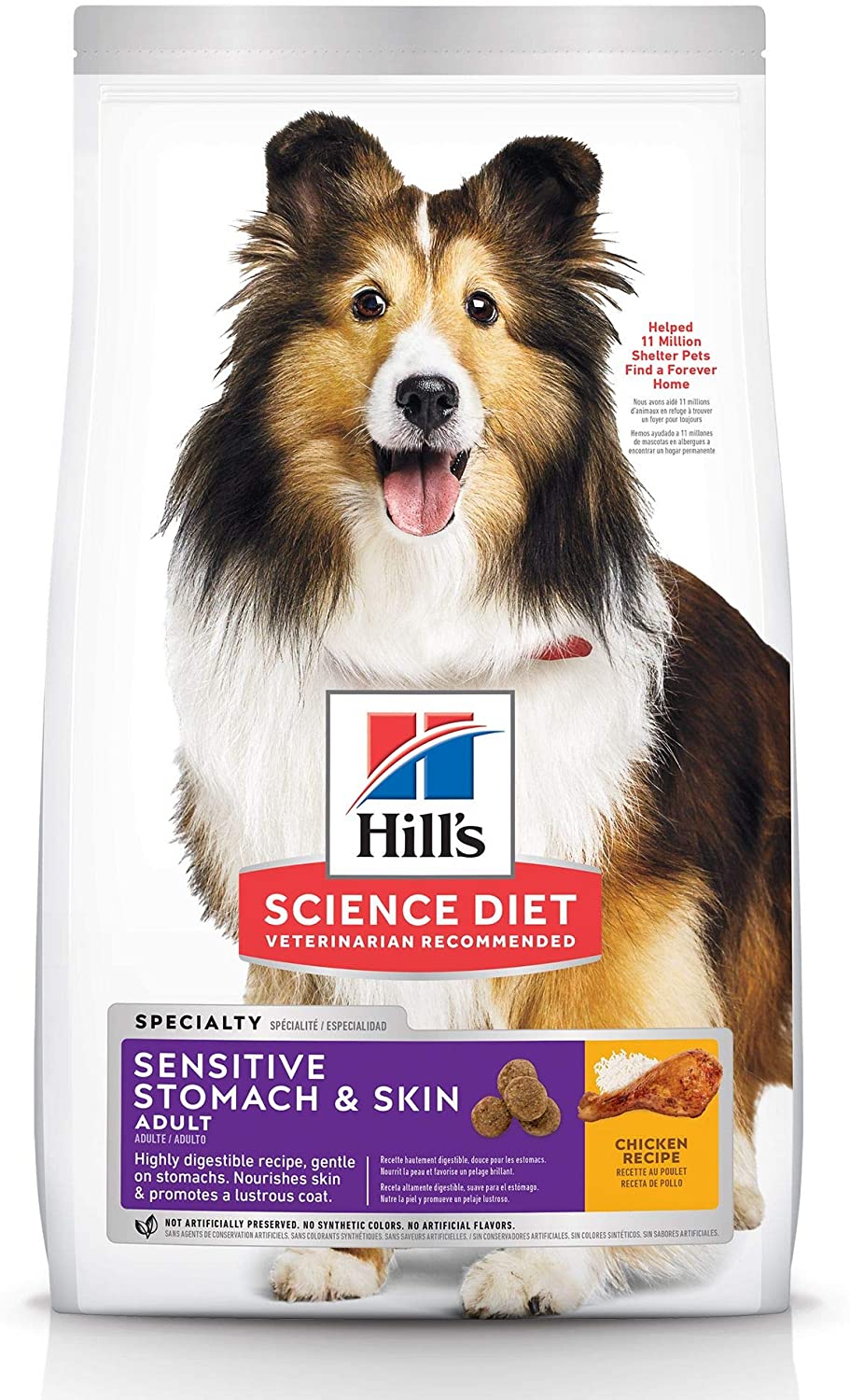
Hill's Science Diet Dry Dog Food For Sensitive Stomach & Skin
Check Latest PriceHill is a well-known brand, and its production is centered around science and scientific benefits. It is an excellent option for huskies; the additional supplements it contains helps to maintain the health of their skin and coat, which makes them very happy.
It also contains prebiotic fiber and other highly digestible ingredients that ensure that your dog is at the top of its health. It is easy to digest, which is why it is recommended for huskies that have digestive problems, you could also check the (Best Dog Food For Allergies). Their unique prebiotic fiber helps keep a healthy microbiome that aids digestion and reduces stomach upset. It contains all the essential supplements that will ensure your husky stays healthy.
Key Features:
- Highly digestible for optimum nutrition
- It contains prebiotics for easy and healthy digestion
- It contains omega 6 fatty acids for a healthy brain
- It is suitable for maintaining the skin and coat of your husky
- Made in the USA
Specification:
- Brand: Hill’s Science
- Model: 8839
- Weight: 30 Pounds
- Dimensions: 19.75 * 16 * 5.75 inches
Pros
- It promotes digestive health
- It nourishes the skin
- It contains prebiotic fiber to support a balanced gut microbiome
- It is fortified with vitamin E and omega 6 fatty acids for healthy skin and a shiny coat
Cons
- Sometimes but rarely, defective bags are shipped to customers
#4
Wellness CORE High Protein Natural Adult Dry Dog Food
Check Latest PriceThe Wellness CORE has almost the same nutrient profile as the Orijen Original, but most people prefer it because it is more affordable. It has a high protein content and is great for a growing husky.
This dog food contains three animal proteins and is filled with fruits and vegetables; however, it doesn’t contain cereal grains. For every pound of this dog food, you get 80 million colonies of probiotics. It also contains chondroitin and glucosamine, which help to promote healthier joints in huskies.
Key Features:
- Fortified with calcium, phosphorus, vitamin E, and beta-carotene
- Each up offers 421 kcal
- It has a minimum of 16% fat and 34% protein
- It contains chondroitin and glucosamine
- Its first three ingredients include chicken meal, deboned turkey, and turkey meal
- A maximum of 10% moisture and 4% fiber
- It contains hearty grains, tea extract, fruits, and vegetables
- A 5:1 ratio of omega 6 to omega 3 fatty acids
Specification:
- Brand: Wellness Core
- Model: 88403
- Weight: 26 Pounds
- Dimensions:
Pros
- It is filled with premium proteins
- It helps build lean body mass and muscle
- It aids the growth of healthy skin
Cons
- Sometimes, defective bags are sent out